Social Media Scares: When 'Hartz und herzlich' Pascal Was Falsely Declared Dead on TikTok
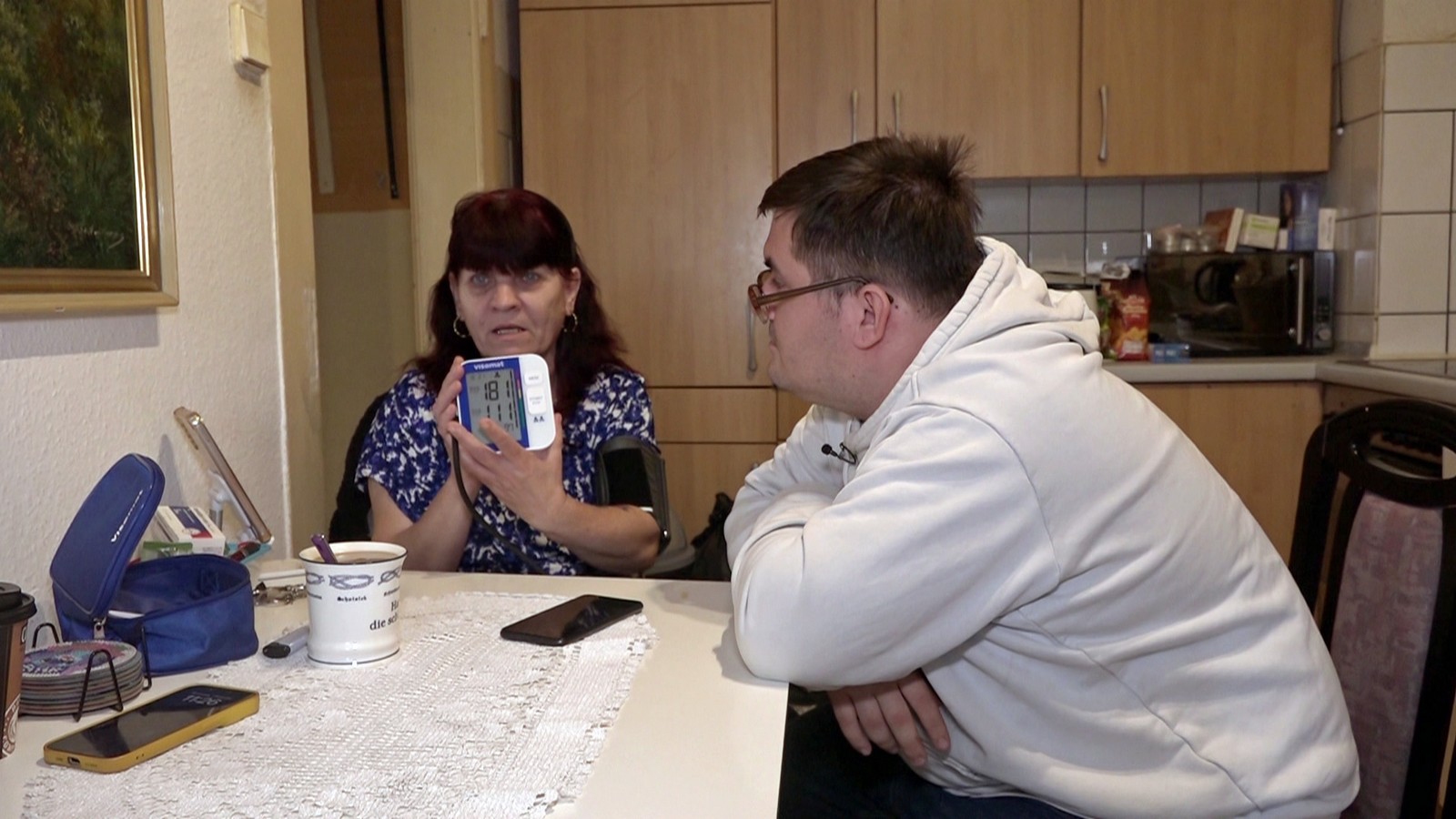
The lives of those featured in RTLZwei's popular social documentary series, "Hartz und herzlich," have long captivated audiences across Germany. From the notorious Benz Barracks in Mannheim to other social settlements, viewers follow the daily struggles, triumphs, and heartaches of individuals navigating life on welfare. Among the most recognizable faces are Petra, her son Pascal, and daughter Selina, who have become household names over the years. Their candid portrayal of life under challenging circumstances has garnered a loyal following, but also, unfortunately, attracted its share of critics and online trolls. This delicate balance between public persona and private life was recently shattered when Pascal, an aspiring influencer, became the victim of a shocking online death hoax on TikTok, prompting an indignant response from his mother, Petra, and raising serious questions about social media accountability. Despite the alarming nature of the incident, it is crucial to clarify that while the internet was rife with false claims about Pascal, his mother, Petra Hartz und herzlich, is very much alive and was a formidable force in rectifying this grave injustice.
The TikTok Ordeal: How a Death Hoax Led to Account Suspension
Pascal, known to "Hartz und herzlich" viewers alongside his mother Petra, has openly shared his ambition to become an influencer. He diligently works on building his online community, frequently posting short video clips and engaging in live streams on platforms like TikTok. This active online presence, however, unwittingly set the stage for a distressing incident. Recently, a brief period of inactivity on Pascal's TikTok profile – a mere few days without new content – was misinterpreted and maliciously exploited by some users. Instead of expressing concern or simply awaiting his return, certain individuals took the drastic step of reporting Pascal as deceased to TikTok's moderation team.
The consequences were swift and severe: TikTok, acting on these reports, suspended Pascal's account. This sudden disappearance of his profile, coupled with the malicious rumors, sent shockwaves through his genuine fanbase, causing immense distress and confusion. For an aspiring influencer like Pascal, whose burgeoning career relies heavily on his online presence, this suspension was not just an inconvenience but a significant setback to his professional aspirations and a direct attack on his identity. It highlighted a critical vulnerability in the system where malicious reporting can effectively silence a user, regardless of the veracity of the claims. For more details on this specific incident, read Hartz und herzlich: Pascal Falsely Declared Dead on TikTok.
Petra's Outrage and the Battle Against Online Haters
Upon discovering the fabricated news of her son's death and the subsequent locking of his TikTok account, Petra reacted with a potent mixture of anger and disbelief. She promptly took to social media herself, releasing a powerful video statement that resonated deeply with fans and exposed the cruelty of the online world. "The one or other will certainly have noticed that Pascal's account has been reported dead," she declared, her frustration palpable. "That means it has been completely blocked."
Petra didn't mince words, squarely laying the blame at the feet of "haters" whom she accused of deliberately trying to harm the stars of "Hartz und herzlich." "Don't you have any other hobbies than to report Pascal dead here on TikTok, so that the accounts are closed?" she challenged, articulating the exasperation many feel towards cyberbullies. Her statement wasn't just a critique of the malicious users; it was also a direct appeal to TikTok Germany, urging them to take a closer look at their moderation practices. "It's already sad, TikTok Germany. Open your eyes," she implored, demanding that Pascal's account be reinstated. This direct confrontation paid off, as Pascal's account was indeed reactivated shortly thereafter, allowing him to resume connecting with his community. Petra's steadfast defense of her son underscored her role as a protective mother and a vocal advocate against online malice, firmly demonstrating that any rumors of Petra Hartz Und Herzlich Tot are entirely unfounded, as she was at the forefront of this battle.
The Pervasive Threat of Online Death Hoaxes
Pascal's ordeal is not an isolated incident but rather a stark reminder of a disturbing trend in the digital age: the proliferation of online death hoaxes. Celebrities, public figures, and even everyday individuals find themselves targets of these malicious fabrications, often with little recourse until significant damage has been done. In recent months, other prominent German personalities have fallen victim to similar schemes. For instance, TV presenters Horst Lichter and antique dealer Fabian Kahl, both popular figures from the show "Bares für Rares," were falsely declared dead through fake videos circulating on YouTube. These videos often claimed they had met their demise under mysterious circumstances, designed to generate clicks and spread misinformation.
While the mediums may vary – from sophisticated deepfake videos to simple, coordinated false reports – the underlying motivations often remain the same: to cause distress, garner attention, or engage in targeted harassment. The rapid spread of information on social media platforms means that once such a hoax gains traction, it can be incredibly difficult to contain, leaving victims and their families to grapple with emotional turmoil and the arduous task of correcting the record. This insidious practice highlights the critical need for media literacy and responsible online behavior from users, as well as robust moderation systems from platform providers. The ease with which a false claim can spiral out of control poses a significant challenge to the integrity of online communication and the well-being of its participants.
Impact and Resilience: Navigating the Aftermath
The emotional and practical fallout of being falsely declared dead online can be profound. For Pascal, whose burgeoning career as an influencer relies heavily on his online presence and credibility, the account suspension and the underlying death hoax were deeply unsettling. It disrupted his efforts to build a community and potentially impacted his income, given his ambition to transition into this sphere. While he also works as a food delivery cyclist, the dream of influencing is a significant part of his future aspirations.
For Petra, witnessing her son become the target of such cruelty was undoubtedly distressing. The "Hartz und herzlich" series has previously shown Petra's struggles with anxiety, including periods where she experienced intense fear that affected her ability to work. Although her specific instance of "Todesangst" related to personal health issues and job-related stress, the overall context suggests a family sensitive to hardship and emotional challenges. A death hoax involving her son would naturally compound existing anxieties, making her swift and forceful response all the more understandable. She not only fought for Pascal's online presence but also pursued legal avenues, confirming that "Anzeigen" (charges) had been filed. This proactive approach underscores the seriousness with which the family viewed the incident and their determination to hold the perpetrators accountable. Their resilience in the face of such adversity is a testament to their strength, reinforcing the image of a family that, despite public scrutiny and personal challenges, stands together.
Protecting Yourself and Others from Online Malice: Actionable Advice
In an increasingly digital world, the ability to discern fact from fiction and protect oneself from online malice is paramount. The 'Hartz und herzlich' Pascal incident offers valuable lessons for users, platforms, and communities alike:
For Social Media Users:
- Verify Before You Believe: Always question sensational news, especially claims about someone's death. Cross-reference information with reputable news sources rather than relying solely on social media posts or trending topics.
- Report, Don't Spread: If you encounter suspicious content or hoaxes, report it to the platform's moderators immediately. Do not share or engage with such posts, as this only amplifies their reach.
- Be Mindful of Your Digital Footprint: Be aware of what information you share publicly online. While Pascal's situation was due to malicious reports, maintaining some level of privacy can reduce vulnerabilities.
- Support Ethically: If you're a fan of a content creator, show your support through positive engagement. Avoid assumptions or rumors based on temporary inactivity. True support means respect and patience.
For Social Media Platforms (e.g., TikTok):
- Strengthen Moderation Systems: Platforms must invest in more sophisticated AI and human moderation teams to quickly identify and act on false reports and malicious content. Prioritizing reports of severe harm, like death hoaxes, is crucial.
- Improve User Communication: When an account is suspended or reported, clear and transparent communication with the account holder is essential. Explain the reason for suspension and the steps for reinstatement.
- Implement Stricter Penalties: Platforms should consider implementing more severe consequences for users found to be maliciously reporting others or spreading harmful hoaxes.
For Content Creators and Public Figures:
- Establish Communication Channels: If you plan to take a break from social media, consider posting a notice beforehand to avoid alarm among your followers.
- Build a Supportive Community: Foster a community that understands and respects your boundaries. Encourage positive interactions and address negativity constructively.
- Know Your Rights: Be aware of legal recourse available for cyberbullying, defamation, or harassment. Petra's decision to file charges is an important step in holding perpetrators accountable.
Conclusion
The "Hartz und herzlich" Pascal TikTok ordeal serves as a stark warning about the darker side of online interactions and the urgent need for greater accountability on social media. What began as a brief absence for an aspiring influencer quickly escalated into a distressing death hoax, impacting Pascal and deeply distressing his family. Petra's fierce dedication to her son and her unwavering stance against online hatred ultimately led to the reinstatement of Pascal's account, allowing him to reconnect with his fans and resume his journey. This incident underscores the profound emotional and practical damage that malicious online behavior can inflict, reminding us that behind every public persona are real individuals with feelings and aspirations.
It also highlights the collective responsibility we all share in fostering a safer and more respectful digital environment. As users, we must exercise caution and criticality. As platforms, there's a continuous need to refine and enforce robust moderation policies. And as a community, we must champion empathy and truth. The resilience demonstrated by Pascal and his mother, Petra, in navigating this difficult experience is truly commendable, reaffirming their strength and ensuring that any queries about Petra Hartz Und Herzlich Tot are met with the clear and present reality of her unwavering support and continued presence.