Petra's Outrage: Haters Behind 'Hartz und herzlich' Pascal Death Hoax
The world of reality television often blurs the lines between public persona and private life, especially for participants in long-running social documentaries like RTLZwei's "Hartz und herzlich." For years, viewers have followed the everyday struggles and triumphs of families from places like the Benz-Baracken in Mannheim. Among the most recognizable faces are Petra and her son, Pascal. Their journey has been a public one, making them relatable figures to thousands. However, this visibility recently took a dark turn when a vicious death hoax targeting Pascal swept across social media, leading to a furious and heartbroken response from his mother, Petra.
This shocking incident underscores the perilous landscape of online fame, where malicious intent can quickly escalate into deeply distressing fabrications. While thankfully, reports hinting at "Petra Hartz Und Herzlich Tot" or any tragic end for her family are utterly false, the ordeal itself was very real. It highlights not only the vulnerability of public figures but also the crucial responsibility of social media platforms and their users.
The Anatomy of a Cruel Hoax: Pascal Declared 'Dead' on TikTok
Pascal, an aspiring influencer, has been actively building his community on platforms like TikTok, regularly sharing video clips and live streams. His ambition to connect with a wider audience is a common thread among today's youth, but it also exposed him to an unforeseen danger. The recent hoax began subtly: a brief period of silence on Pascal's TikTok profile. While a short break might seem innocuous, it was enough for malicious users, whom Petra identifies as "haters," to seize an opportunity. They falsely reported Pascal as deceased to TikTok, leading the platform to take the drastic measure of suspending his account.
This incident stands in stark contrast to other celebrity death hoaxes that have plagued figures like Horst Lichter and Fabian Kahl from "Bares für Rares." Those often involved sophisticated deepfake videos circulating on YouTube. Pascal's situation, however, was disturbingly organic: it was a direct, user-driven campaign of misinformation designed to inflict harm. The sudden disappearance of his online presence, coupled with false reports, created a vacuum of information that quickly filled with dread for genuine fans.
The psychological impact of such a hoax on anyone, let alone an aspiring young influencer whose digital presence is integral to his future, cannot be overstated. It's a violation of personal space and a direct attack on one's identity and aspirations. The implications for Pascal's career and mental well-being are profound, demonstrating how easily digital malice can translate into real-world distress.
Petra's Fierce Response: A Mother's Battle Against Online Malice
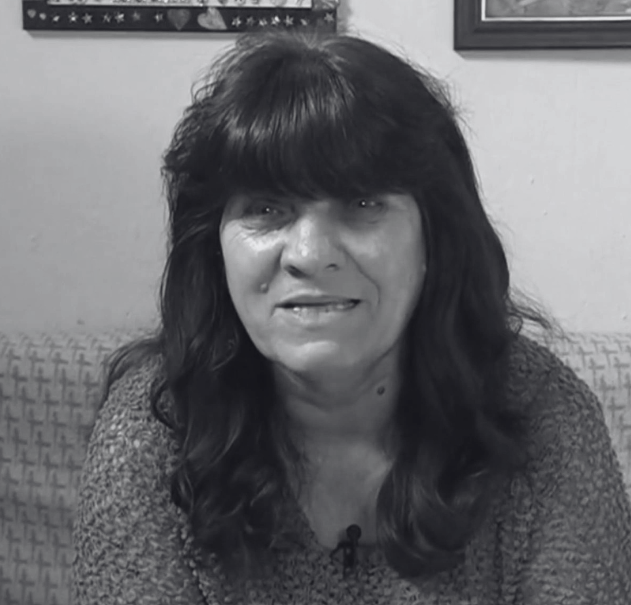
Upon discovering the suspension of Pascal's TikTok account and the vile reason behind it, Petra's response was swift and unequivocal. She took to social media herself, delivering a powerful and emotionally charged video statement. "The one or other will certainly have noticed that Pascal's account has been reported dead," she stated, her voice laced with a mixture of anger and disbelief. "That means it has been completely blocked."
Her outrage wasn't just directed at the anonymous "haters" but also at TikTok Germany, which she urged to "open your eyes." Petra questioned the motivations of those responsible: "Don't you have any other hobbies than to report Pascal dead here on TikTok, so that the accounts are closed?" This rhetorical question perfectly encapsulated the frustration felt by many who witness such senseless online aggression. She made it clear that legal action had been initiated, stressing the seriousness with which her family viewed these attacks. The emotional toll this ordeal took on Petra, a mother already navigating the public spotlight of "Hartz und herzlich" and her own personal struggles, including a documented battle with anxiety that sometimes prevents her from working, was immense. Her fight for Pascal's digital presence was a fight for his future, and ultimately, for their peace of mind. Thankfully, after her public appeal, TikTok reinstated Pascal's account, allowing him to resume connecting with his community.
The Dark Side of Social Media: Haters, Hoaxes, and Platform Responsibility
The incident involving Pascal from "Hartz und herzlich" is a stark reminder of the darker elements lurking within the digital realm. Online death hoaxes, malicious reporting, and targeted harassment are not isolated occurrences; they are symptoms of a broader problem concerning online ethics and platform accountability. Why do individuals engage in such cruel acts? Motivations can range from seeking attention and trolling to pure malice and a desire to damage reputations. For public figures, especially those from social documentaries, the vulnerability is amplified as their lives are already open to scrutiny.
Social media platforms like TikTok bear a significant responsibility in fostering a safe online environment. While automated systems are essential for moderation, the Pascal case highlights their fallibility when faced with coordinated malicious reporting. It raises questions about the robustness of their review processes and their responsiveness to appeals from legitimate users. For more detailed insights into this specific event, you can read about Hartz und herzlich: Pascal Falsely Declared Dead on TikTok and explore broader issues in Social Media Scares: 'Hartz und herzlich' Pascal's TikTok Ordeal.
Tips for Navigating Online Hoaxes and Protecting Your Digital Well-being:
- Verify Information: Always seek confirmation from multiple reputable sources before believing or sharing sensational news, especially about deaths.
- Report Malicious Content: If you encounter false reports, harassment, or hate speech, use the platform's reporting tools. Your actions can help protect others.
- Guard Your Privacy: Be mindful of how much personal information you share online, even if you are an aspiring influencer.
- Take Breaks: Step away from social media if you feel overwhelmed or negatively affected. Digital well-being is crucial.
- Support Victims: If someone you know is a target of online harassment, offer support and encourage them to report the incidents.
Life in the Benz-Baracken: The Ongoing Journey of Petra and Pascal
Petra and Pascal are more than just reality TV figures; they are individuals navigating complex lives under the public gaze. Their involvement in "Hartz und herzlich" has made their struggles and aspirations a public narrative. Pascal's dream of becoming an influencer, while a modern aspiration, is also a lifeline, offering a path to self-sufficiency and recognition. This death hoax wasn't just a fleeting online drama; it was an attack on Pascal's future and a source of profound stress for his family.
The reference context also alludes to other challenges faced by the family, such as Petra's "Todesangst" (fear of death) impacting her ability to work, and Pascal's temporary inability to work as a food courier due to wisdom tooth surgery. These personal and financial vulnerabilities make the online aggression they face even more egregious. Their resilience, however, shines through. Despite the setbacks and the malicious actions of a few, Petra's fierce protection of her son and Pascal's determination to continue building his online community are testaments to their strength.
The journey of "Hartz und herzlich" participants often highlights systemic issues, but it also reveals incredible human spirit. The outpouring of genuine support for Pascal and Petra following the hoax is a powerful counter-narrative to the negativity, showing that for every hater, there are many more who empathize and care.
Conclusion
The death hoax targeting Pascal from "Hartz und herzlich," orchestrated by anonymous "haters" on TikTok, was a disturbing incident that deeply impacted his family, particularly his mother Petra. Her courageous and vocal response not only helped debunk the falsehoods but also underscored the urgent need for greater accountability from social media platforms and more responsible behavior from users. While the very idea of "Petra Hartz Und Herzlich Tot" or any harm to her family is a malicious fabrication, the emotional distress caused by such hoaxes is undeniably real.
This event serves as a critical reminder of the pervasive issue of online harassment and the delicate balance between freedom of expression and the potential for digital harm. As our lives become increasingly intertwined with social media, fostering empathy, vigilance, and strict moderation policies will be paramount to protecting individuals from the darker impulses of the internet. The resilience of Petra and Pascal reminds us that while the online world can be cruel, it also harbors communities of support and the unwavering spirit of those who refuse to be silenced.