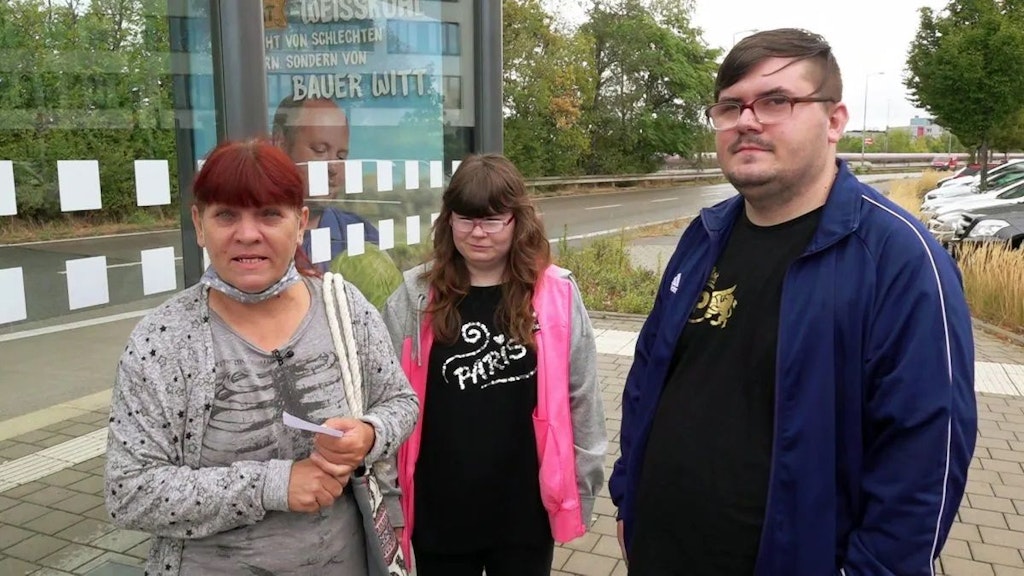
The Shocking Hoax: Pascal from Hartz und herzlich Falsely Declared Dead on TikTok
In a disturbing turn of events that sent shockwaves through the fan community of the popular German social documentary series Hartz und herzlich, Pascal, a beloved fixture alongside his mother Petra and sister Selina, was falsely declared dead on the video-sharing platform TikTok. This alarming incident not only highlighted the pervasive issue of online misinformation but also underscored the vulnerability of public figures, even those from reality television, to malicious digital attacks. The news left many wondering about the veracity of such claims and the responsibility of social media platforms in curbing the spread of harmful falsehoods.
For years, viewers have followed the lives of residents from the infamous Benz-Baracken in Mannheim, as portrayed in Hartz und herzlich on RTLZwei. These individuals, navigating the complexities of daily life, have become familiar faces, drawing both empathy and scrutiny from a dedicated audience. Pascal, with his aspirations of becoming an influencer, has been particularly active online, striving to build a community through regular video clips and live streams on platforms like TikTok. It was this very digital presence that became the unwitting stage for a cruel hoax that saw him declared "tot" (dead).
Pascal's Journey to Influencer Status and the Unsettling Silence
Pascal’s ambition to forge a career as an influencer is a familiar narrative in today’s digital age. He consistently shared glimpses into his life, hoping to connect with a wider audience and establish a meaningful online presence. However, a brief period of inactivity on his TikTok profile—a mere few days without new content—was enough to trigger a malicious campaign. Instead of expressing concern or curiosity, some users took the extreme step of reporting him as deceased. This led to TikTok taking drastic action, resulting in the immediate suspension of his account. The sudden digital silence, interpreted malevolently, transformed into a fabricated tragedy, bringing immense distress to Pascal and his family.
A Disturbing Digital Trend: Celebrity Death Hoaxes and Their Impact
The false declaration of Pascal's death on TikTok is not an isolated incident but rather a symptom of a larger, more troubling phenomenon: celebrity death hoaxes. In recent years, numerous public figures have fallen victim to these fabricated reports, often with significant emotional and reputational consequences. Prominent German personalities such as TV host Horst Lichter and antique dealer Fabian Kahl, both known from the show Bares für Rares, have previously been targeted by fake videos circulating on YouTube, falsely claiming their demise under mysterious circumstances. These incidents often leverage sensationalism and misinformation to garner clicks and attention, exploiting the public's emotional response.
Beyond YouTube Fakes: The Nuance of TikTok's User-Generated Claims
While the YouTube hoaxes often involve sophisticated (or not-so-sophisticated) fake news videos, the case of Pascal highlights a different, perhaps more insidious, aspect of online misinformation. On TikTok, the false reports stemmed directly from user actions—fans, or more accurately, "haters," deliberately reporting Pascal as dead during his temporary absence. This distinction is crucial, as it points to a platform where individual user reports can directly lead to severe consequences, such as account suspension, even without the creation of elaborate fake content. It underscores a vulnerability in platform moderation systems that can be exploited by those seeking to cause harm. For families like Pascal’s, it’s a stark reminder of the fragility of online reputations and the constant battle against malice.
Petra's Unwavering Fight: Debunking the Lies and Demanding Accountability
Upon discovering the outrageous claims and her son's suspended account, Pascal's mother, Petra, a well-known and outspoken personality from Hartz und herzlich, swiftly and fiercely responded. Her outrage was palpable, directed both at the malicious users and at TikTok's management. In a powerful video statement, Petra confirmed the account's suspension, stating, "Der ein oder andere wird sicherlich mitbekommen haben, dass Pascals Account totgemeldet worden ist. Das heißt, er ist komplett gesperrt worden." She minced no words, directly accusing "haters" of intentionally trying to harm her family and other stars of the show.
Petra's impassioned plea resonated deeply. She challenged the perpetrators, asking, "Habt ihr keine anderen Hobbys, als Pascal totzumelden hier auf TikTok, dass die Accounts dicht sind?" Her words not only expressed personal anguish but also highlighted the broader issue of online harassment and bullying. She revealed that legal complaints had already been filed, demonstrating her resolve to fight back against this cyberbullying. Furthermore, Petra directly appealed to TikTok Germany, urging them to "Macht mal eure Augen auf" and demanding the immediate reactivation of Pascal's account. Her courageous stand, distinguishing clearly between facts and malicious fabrications, helped to alleviate concerns that anyone, including Petra's Outrage: Haters Behind 'Hartz und herzlich' Pascal Death Hoax, might actually be "tot" or suffering similar fates due to online hoaxes. The intensity of her reaction underscores the deep pain caused by such reckless actions, especially when facing constant public scrutiny.
The Family's Ordeal: From Benz-Baracken to Battling Online Malice
The residents of the Benz-Baracken, including Petra and Pascal, share their lives with millions, often facing judgment and misconception. This public exposure, while providing a platform for their stories, also makes them targets for online negativity. Petra's reaction wasn't just about Pascal's account; it was about protecting her son from psychological harm and preserving their dignity against vicious online attacks. The stress of dealing with such a severe hoax, coupled with other challenges they face, such as health issues that have temporarily impacted Pascal's job as a food delivery cyclist, only adds to their burden. This incident serves as a stark reminder that behind the television screen are real people, with real feelings, who are profoundly affected by the actions of online trolls.
Navigating the Digital Minefield: Tips for Social Media Users and Public Figures
The Pascal death hoax is a critical case study in the challenges of the digital age. It offers valuable lessons for both social media users and those in the public eye. Understanding how to responsibly interact online and protect oneself from digital malice is more important than ever.
For Viewers: How to Spot and Stop Misinformation
- Verify Sources: Always check information from multiple reputable sources before believing or sharing it. Official statements from the individual or their family are paramount.
- Question the Unusual: If a report seems sensational or out of character, approach it with skepticism.
- Report Malicious Content: If you encounter content that falsely reports someone's death or spreads hate, use the platform's reporting tools. Your action can help protect others.
- Think Before You Share: Sharing unverified information, even with good intentions, can contribute to its spread.
For Content Creators and Public Personalities: Protecting Your Digital Presence
- Maintain Communication: Regular, even brief, updates can prevent rumors from festering during periods of inactivity. If taking a break, consider a pre-scheduled post.
- Monitor Your Online Presence: Regularly search for your name and monitor comments/mentions to catch malicious content early.
- Utilize Platform Security Features: Understand and use privacy settings, blocking tools, and reporting mechanisms effectively.
- Document and Report: Keep records of abusive behavior and false claims. Report serious incidents to the platform and consider legal action where appropriate. Petra's quick action in filing complaints is a prime example.
- Build a Supportive Community: Foster a positive community that will defend you against trolls and report malicious content on your behalf.
The Road to Resolution and Lessons Learned
Fortunately, Petra's fervent advocacy and the swift action from the family paid off. Shortly after her public outcry, Pascal's TikTok account was indeed restored. Fans breathed a sigh of relief as Pascal could once again connect with his community, continuing his journey toward becoming an influencer. This resolution brought an end to the immediate crisis, but the incident leaves behind important lessons about the power of online communities, the responsibility of social media platforms, and the urgent need for more robust mechanisms to combat misinformation and harassment.
The false declaration of death for Social Media Scares: 'Hartz und herzlich' Pascal's TikTok Ordeal serves as a stark reminder that while the digital world offers incredible opportunities for connection and expression, it also harbors significant risks. It underscores the ongoing battle against those who wield the internet as a weapon, and the vital importance of platforms, users, and affected individuals working together to ensure a safer, more truthful online environment.
Conclusion: The alarming incident involving Pascal from Hartz und herzlich being falsely declared dead on TikTok is a powerful testament to the volatile nature of the digital landscape. It illuminated the destructive potential of online hoaxes and the profound emotional toll they take on individuals and families. Petra's courageous stand not only brought justice for her son but also served as a rallying cry for greater accountability from social media platforms and a plea for more compassionate and responsible online behavior. As we continue to navigate an increasingly interconnected world, the ability to discern truth from falsehood, and to act with empathy and integrity, remains paramount in safeguarding the well-being of all who participate in the digital sphere.